Looking for love, friendship, or something meaningful? Here are 5 attractive USA-based dating profiles. You can explore their interests and connect instantly!
👩 Profile 1
Name: Emily Carter Age: 26 Location: New York, USA Interests: Traveling, Coffee, Photography, Fitness
About: Hi! I’m Emily, a fun-loving and adventurous girl who enjoys exploring new places and meeting new people. I love deep conversations, long walks, and making unforgettable memories. Looking for someone honest and caring.
Name: Jessica Miller Age: 29 Location: California, USA Interests: Movies, Yoga, Cooking, Beach Trips
About: Hey! I’m Jessica. I enjoy relaxing by the beach and watching romantic movies. I’m kind-hearted and love to laugh. Searching for someone who is loyal and knows how to treat a woman right.
Name: Ashley Brown Age: 24 Location: Texas, USA Interests: Music, Dancing, Shopping, Social Media
About: I’m Ashley, energetic and full of life! I love music and dancing. I enjoy meeting new people and having fun conversations. If you’re confident and fun, we’ll get along great!
Name: Samantha Wilson Age: 31 Location: Florida, USA Interests: Gym, Healthy Lifestyle, Reading, Travel
About: Hi, I’m Samantha. I believe in a healthy mind and body. I love staying fit and reading good books. I’m looking for someone mature and serious about building a connection.
Name: Olivia Davis Age: 27 Location: Chicago, USA Interests: Art, Fashion, Blogging, Photography
About: Hello! I’m Olivia, a creative and stylish girl who loves art and fashion. I enjoy expressing myself and meeting like-minded people. Let’s connect and see where it goes!
In the ever-evolving landscape of the United Arab Emirates, few figures capture public imagination like Sheikha Mahra bint Mohammed bin Rashid Al Maktoum. A prominent member of Dubai’s royal family, Sheikha Mahra represents a blend of tradition and modernity. At the same time, the city she calls home—Dubai—continues to assert itself as one of the most competitive global job markets. Together, Sheikha Mahra’s public presence and Dubai’s economic energy paint a picture of a city rooted in heritage but oriented firmly toward the future.
A Modern Royal: Sheikha Mahra
Sheikha Mahra is the daughter of Sheikh Mohammed bin Rashid Al Maktoum, the ruler of Dubai and Prime Minister of the UAE. Born in 1994, she has cultivated a public image that balances her royal responsibilities with a strong personal identity. Known for her equestrian passion, cultural diplomacy, and active involvement in philanthropic causes, Sheikha Mahra appeals to a younger generation looking for female role models in leadership and entrepreneurship.
Educated in international relations and fluent in multiple languages, Sheikha Mahra has demonstrated a keen interest in diplomacy and social engagement. She often attends public events and champions causes such as women’s empowerment, animal welfare, and youth development. While traditionally royal family members have maintained a more private lifestyle, Sheikha Mahra has embraced social media to connect with the public, becoming a relatable and admired figure in the region.
In recent years, she has made headlines for more personal reasons, including a public divorce announcement that sparked global discussion. Far from retreating from the spotlight, she channeled the attention into a bold new business venture by launching a fragrance line. The brand’s debut scent symbolized independence and reinvention, further solidifying her status as a woman of action and vision.
Dubai’s Job Market in 2025: Opportunities and Challenges
Parallel to Sheikha Mahra’s individual journey, Dubai’s job market has undergone a significant transformation. As of 2025, the city is experiencing both a surge in employment opportunities and increased competition for high-paying roles. Several sectors are thriving, particularly those aligned with the UAE’s long-term economic vision.
High-Demand Sectors
Technology remains the driving force behind Dubai’s economic diversification. The city has positioned itself as a hub for innovation, and jobs in software development, artificial intelligence, cybersecurity, and data science are among the most sought-after. Professionals with skills in cloud computing, machine learning, and IT infrastructure are in high demand, and salaries in these fields remain competitive.
Finance and fintech are also experiencing strong growth. Dubai’s ambition to be a global financial center is evident in the increasing number of positions available in investment banking, financial analysis, compliance, and blockchain technology. The government’s push for digital banking and secure financial platforms has opened doors for professionals with a background in tech-enabled finance.
Healthcare continues to be a priority as well. With the UAE investing heavily in medical tourism and healthcare infrastructure, there is a steady demand for doctors, nurses, specialists, and support staff. The sector offers high-paying roles, especially for those with international qualifications and specialized expertise.
Another emerging area is sustainability and renewable energy. In line with the UAE’s commitment to achieving net-zero emissions, jobs related to solar power, sustainable architecture, and environmental engineering are gaining attention. Professionals in this sector are not only well-compensated but are also part of a national mission to transform the UAE’s energy landscape.
Competitive Landscape and Living Costs
Despite the promising sectors, the job market is fiercely competitive. Many job seekers arrive in Dubai every month, drawn by the city’s reputation for tax-free salaries and high quality of life. However, employers have become increasingly selective, preferring candidates with specialized skills and relevant local or regional experience.
At the same time, the cost of living in Dubai has continued to rise. Rent, transportation, and education expenses have increased significantly, which means that salary expectations must be carefully evaluated against the realities of daily life in the city. For mid-level professionals, it can take several months to find a suitable position, especially in saturated fields like marketing, general administration, and sales.
Government Initiatives
The UAE government has taken active steps to shape the labor market through policies such as Emiratisation, which encourages companies to hire UAE nationals in both public and private sectors. While this initiative supports local employment, it also requires expat professionals to develop niche skills and adaptability to remain competitive.
In addition, mega-events, infrastructure development, and projects like the Dubai Urban Master Plan and Dubai Economic Agenda have stimulated demand for engineers, project managers, architects, and real estate professionals. These developments offer excellent prospects for professionals willing to invest time in upskilling and staying current with market trends.
Conclusion
Sheikha Mahra exemplifies a new era of Emirati leadership—modern, vocal, and entrepreneurial. Her journey mirrors Dubai’s broader evolution: grounded in tradition, yet boldly progressive. Meanwhile, Dubai’s job market in 2025 reflects both the opportunities and the challenges of a fast-growing metropolis. For those with the right qualifications, adaptability, and drive, Dubai continues to be a city of possibility, where personal ambition can thrive alongside national transformation.
Labor jobs form the backbone of any economy. From construction to cleaning, these roles involve physical work, technical skills, and hands-on involvement in producing goods or delivering services. While some labor jobs require minimal formal education, many demand experience, certifications, or vocational training. Here’s a breakdown of different labor job categories along with their typical hourly or monthly earnings.
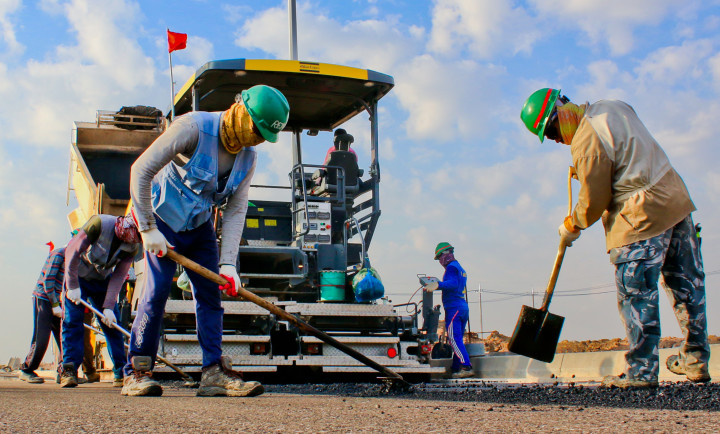
1. Construction Laborers
Average Pay: $17 – $30 per hour Monthly Salary (Full-Time): $2,720 – $4,800
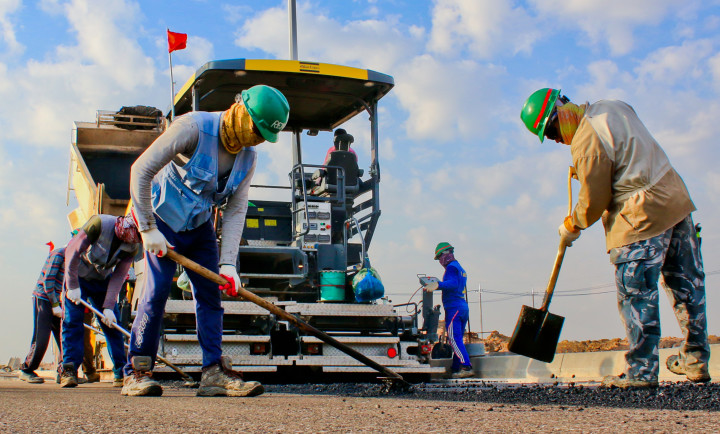
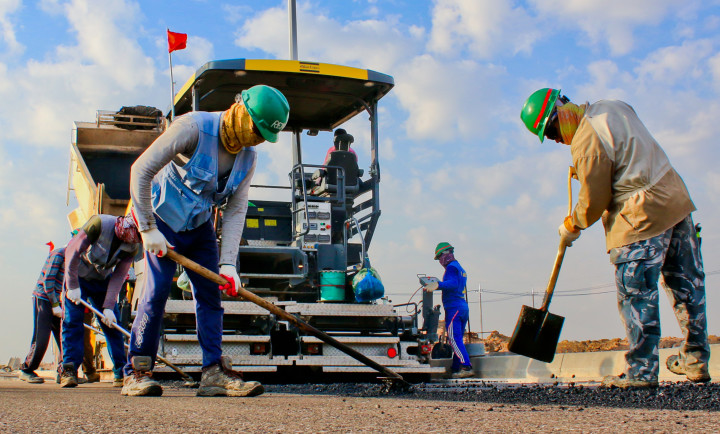
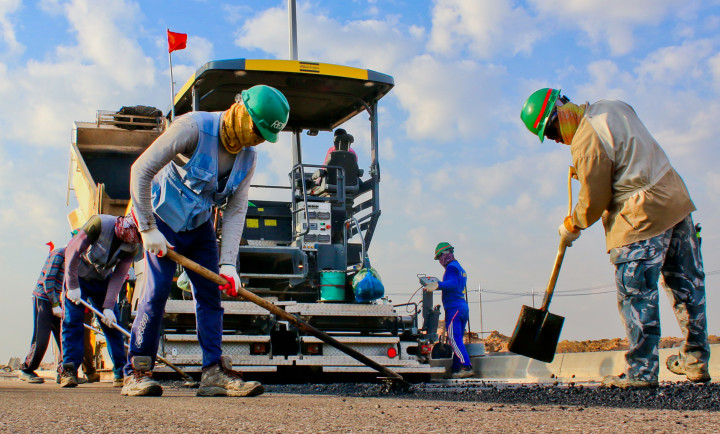
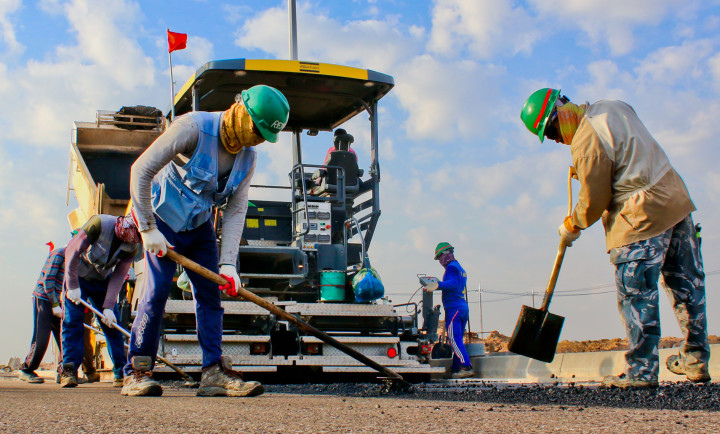
Construction laborers work on building sites, helping with everything from digging trenches to carrying materials and cleaning up debris. More skilled workers, such as those with experience in scaffolding or concrete work, can earn even more. Jobs are often physically demanding and involve working outdoors in all weather.
2. Warehouse Workers
Average Pay: $15 – $22 per hour Monthly Salary: $2,400 – $3,520
Warehouse jobs involve packing, loading/unloading trucks, inventory management, and operating forklifts. These roles are common in e-commerce and logistics companies. Shift work is common, and overtime may be available during peak seasons, such as holidays.
3. Electricians
Average Pay: $25 – $45 per hour Monthly Salary: $4,000 – $7,200
Electricians install and repair electrical systems in homes, businesses, and industrial settings. They require vocational training and often need a license. The work can be hazardous, but it’s well-paid, especially for licensed professionals with years of experience.
4. Plumbers
Average Pay: $23 – $40 per hour Monthly Salary: $3,680 – $6,400
Plumbing involves installing and repairing water systems, drainage, and heating systems. Like electricians, plumbers usually go through apprenticeships and licensing. Emergency services can bring in extra pay, especially for after-hours or weekend jobs.
5. Janitors and Cleaners
Average Pay: $13 – $20 per hour Monthly Salary: $2,080 – $3,200
Cleaning staff are employed in schools, offices, hospitals, and other facilities. While the work is not usually technical, it is essential for hygiene and safety. Pay varies based on location and whether the job is with a private firm or a government body.
6. Truck Drivers
Average Pay: $23 – $35 per hour Monthly Salary: $3,680 – $5,600
Truck drivers transport goods locally or across long distances. They must hold a commercial driver’s license (CDL), and long-haul drivers may be paid per mile. While the job offers independence, it often involves long hours away from home.
7. Mechanics (Automotive and Industrial)
Average Pay: $20 – $35 per hour Monthly Salary: $3,200 – $5,600
Mechanics repair and maintain vehicles or industrial machines. Automotive mechanics work in repair shops or dealerships, while industrial mechanics may work in factories or construction equipment companies. Certifications like ASE (Automotive Service Excellence) can boost earnings.
8. Landscapers and Groundskeepers
Average Pay: $14 – $22 per hour Monthly Salary: $2,240 – $3,520
These workers maintain outdoor areas, plant trees and flowers, mow lawns, and may also do snow removal. Jobs are often seasonal and may require long hours in summer. Some landscapers run their own businesses, increasing their income potential.
9. Factory and Manufacturing Workers
Average Pay: $16 – $25 per hour Monthly Salary: $2,560 – $4,000
Manufacturing roles vary widely depending on the industry—automotive, electronics, textiles, etc. Tasks may include operating machinery, assembling parts, or performing quality checks. Some jobs involve shift work and are repetitive but provide job stability and benefits.
10. Roofers
Average Pay: $20 – $35 per hour Monthly Salary: $3,200 – $5,600
Roofers repair and install roofs on buildings using materials such as shingles, metal, or asphalt. It’s a physically demanding job with risks due to heights, but it pays well for experienced workers. Roofing is also a trade where self-employment is common.
Final Thoughts
Labor jobs vary greatly in terms of required skills, work conditions, and pay. Some, like janitorial or warehouse work, require little formal training and offer quick employment. Others, like plumbing or electrical work, require years of apprenticeship and licensing but offer higher wages and career advancement.
Despite the physical demands, many labor jobs provide stable employment, decent wages, and opportunities for growth. With the increasing demand for skilled tradespeople, especially in construction and maintenance, labor jobs remain a vital and often lucrative part of the workforce.