Labor jobs form the backbone of any economy. From construction to cleaning, these roles involve physical work, technical skills, and hands-on involvement in producing goods or delivering services. While some labor jobs require minimal formal education, many demand experience, certifications, or vocational training. Here’s a breakdown of different labor job categories along with their typical hourly or monthly earnings.
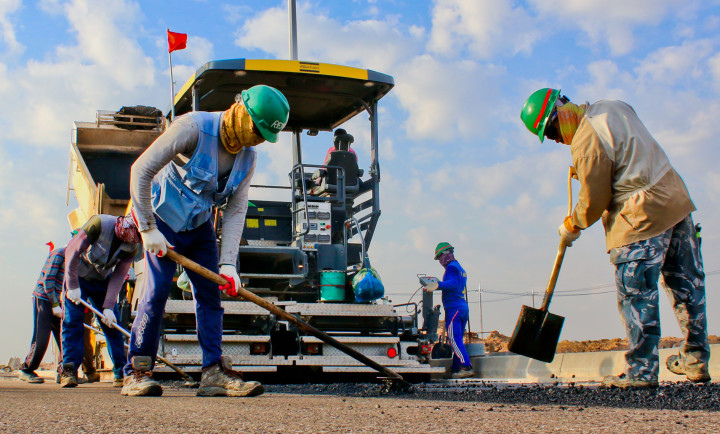
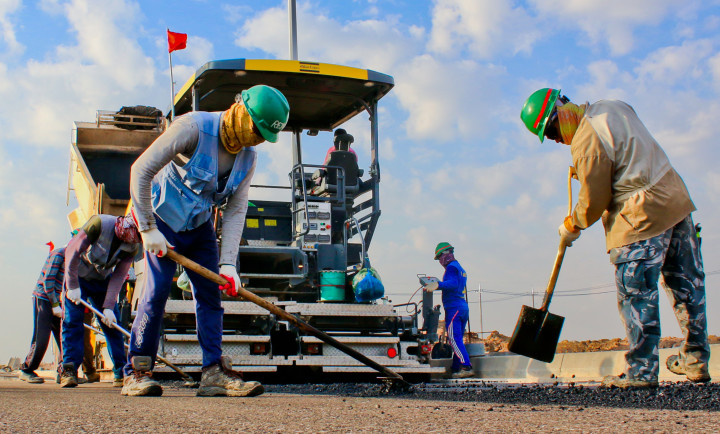
1. Construction Laborers
Average Pay: $17 – $30 per hour
Monthly Salary (Full-Time): $2,720 – $4,800
Construction laborers work on building sites, helping with everything from digging trenches to carrying materials and cleaning up debris. More skilled workers, such as those with experience in scaffolding or concrete work, can earn even more. Jobs are often physically demanding and involve working outdoors in all weather.

2. Warehouse Workers
Average Pay: $15 – $22 per hour
Monthly Salary: $2,400 – $3,520
Warehouse jobs involve packing, loading/unloading trucks, inventory management, and operating forklifts. These roles are common in e-commerce and logistics companies. Shift work is common, and overtime may be available during peak seasons, such as holidays.

3. Electricians
Average Pay: $25 – $45 per hour
Monthly Salary: $4,000 – $7,200
Electricians install and repair electrical systems in homes, businesses, and industrial settings. They require vocational training and often need a license. The work can be hazardous, but it’s well-paid, especially for licensed professionals with years of experience.
4. Plumbers
Average Pay: $23 – $40 per hour
Monthly Salary: $3,680 – $6,400
Plumbing involves installing and repairing water systems, drainage, and heating systems. Like electricians, plumbers usually go through apprenticeships and licensing. Emergency services can bring in extra pay, especially for after-hours or weekend jobs.
5. Janitors and Cleaners
Average Pay: $13 – $20 per hour
Monthly Salary: $2,080 – $3,200
Cleaning staff are employed in schools, offices, hospitals, and other facilities. While the work is not usually technical, it is essential for hygiene and safety. Pay varies based on location and whether the job is with a private firm or a government body.

6. Truck Drivers
Average Pay: $23 – $35 per hour
Monthly Salary: $3,680 – $5,600
Truck drivers transport goods locally or across long distances. They must hold a commercial driver’s license (CDL), and long-haul drivers may be paid per mile. While the job offers independence, it often involves long hours away from home.
7. Mechanics (Automotive and Industrial)
Average Pay: $20 – $35 per hour
Monthly Salary: $3,200 – $5,600
Mechanics repair and maintain vehicles or industrial machines. Automotive mechanics work in repair shops or dealerships, while industrial mechanics may work in factories or construction equipment companies. Certifications like ASE (Automotive Service Excellence) can boost earnings.
8. Landscapers and Groundskeepers
Average Pay: $14 – $22 per hour
Monthly Salary: $2,240 – $3,520
These workers maintain outdoor areas, plant trees and flowers, mow lawns, and may also do snow removal. Jobs are often seasonal and may require long hours in summer. Some landscapers run their own businesses, increasing their income potential.
9. Factory and Manufacturing Workers
Average Pay: $16 – $25 per hour
Monthly Salary: $2,560 – $4,000
Manufacturing roles vary widely depending on the industry—automotive, electronics, textiles, etc. Tasks may include operating machinery, assembling parts, or performing quality checks. Some jobs involve shift work and are repetitive but provide job stability and benefits.
10. Roofers
Average Pay: $20 – $35 per hour
Monthly Salary: $3,200 – $5,600
Roofers repair and install roofs on buildings using materials such as shingles, metal, or asphalt. It’s a physically demanding job with risks due to heights, but it pays well for experienced workers. Roofing is also a trade where self-employment is common.
Final Thoughts
Labor jobs vary greatly in terms of required skills, work conditions, and pay. Some, like janitorial or warehouse work, require little formal training and offer quick employment. Others, like plumbing or electrical work, require years of apprenticeship and licensing but offer higher wages and career advancement.
Despite the physical demands, many labor jobs provide stable employment, decent wages, and opportunities for growth. With the increasing demand for skilled tradespeople, especially in construction and maintenance, labor jobs remain a vital and often lucrative part of the workforce.
Leave a Reply